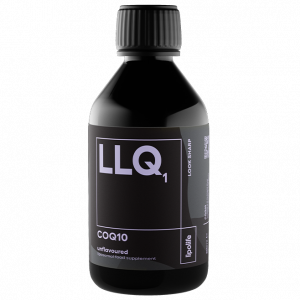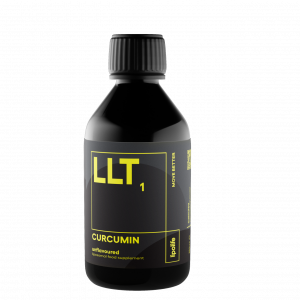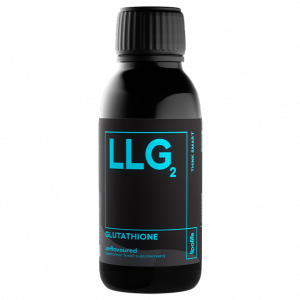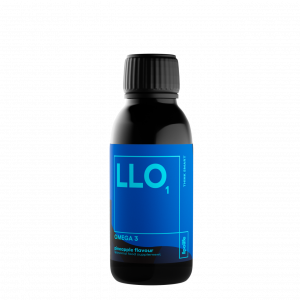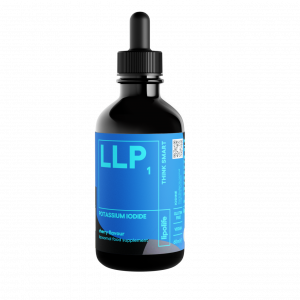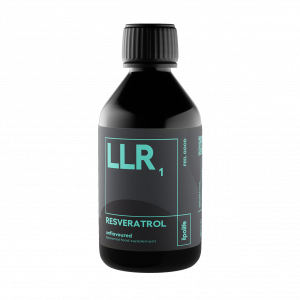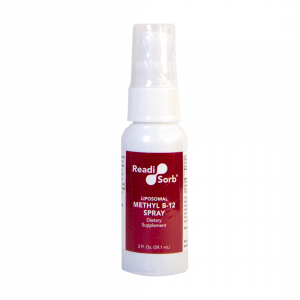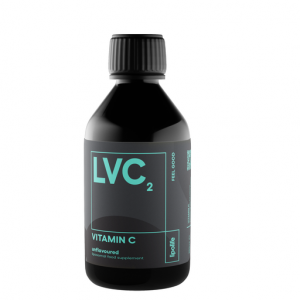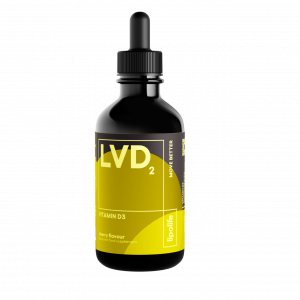


Liposomal vitamins
Liposomes are spherical particles composed of natural membranes around a liquid. The body naturally breaks down foods in the gut and uses liposomes to carry nutrients this way across the gut wall into the blood stream and beyond.
Discovered in 1961, a liposome thus typically contains a lipid membrane (which can contain water-insoluble compounds), whilst inside it usually contains a liquid (often, but not always, water) and this may contain other dissolved compounds.
These are infinitesimally small compounds. Their benefit is that their lipid membranes can fuse with other lipid membranes and allow the compounds dissolved in the central area to pass across those membranes.
Drug companies are using this technology to deliver drugs that normally cannot cross cell membranes, directly into cells.
The technology, which can deliver accurate dosages, with minimal wastage, into target sites is now also used with vitamins. This, for example, prevents wastage in the gut, allows for greater blood absorption and greater deliver into target cellular tissue. The contents in the centre of the liposome may be water soluble vitamins, or fat soluble vitamins.
Estimates vary, but delivery of vitamin dosage into tissues can be up to 20 times more effective than an equivalent non-liposomal high street supplement.